4 Things to Check Before Calling the Pros
It is a sweltering August afternoon in Central Indiana. You hear the familiar hum of your air conditioner kicking on, but instead of a crisp, refreshing breeze coming through your vents, you feel a stream of warm, humid air.
Before you reach for your phone to call for a repair, there are a few things you can troubleshoot on your own.
At Commercial Service, we have been diagnosing HVAC systems in Central Indiana since 1946. Over the last 80 years, we have seen countless "broken" air conditioners that actually just needed a five-minute tweak from the homeowner. Before you pay for a service call, walk through this quick troubleshooting guide. You might just save yourself time, money, and a whole lot of sweat.
1. Investigate Your Thermostat
It sounds obvious, but thermostat settings get accidentally bumped all the time by cleaning, curious kids, or simple slip-ups.
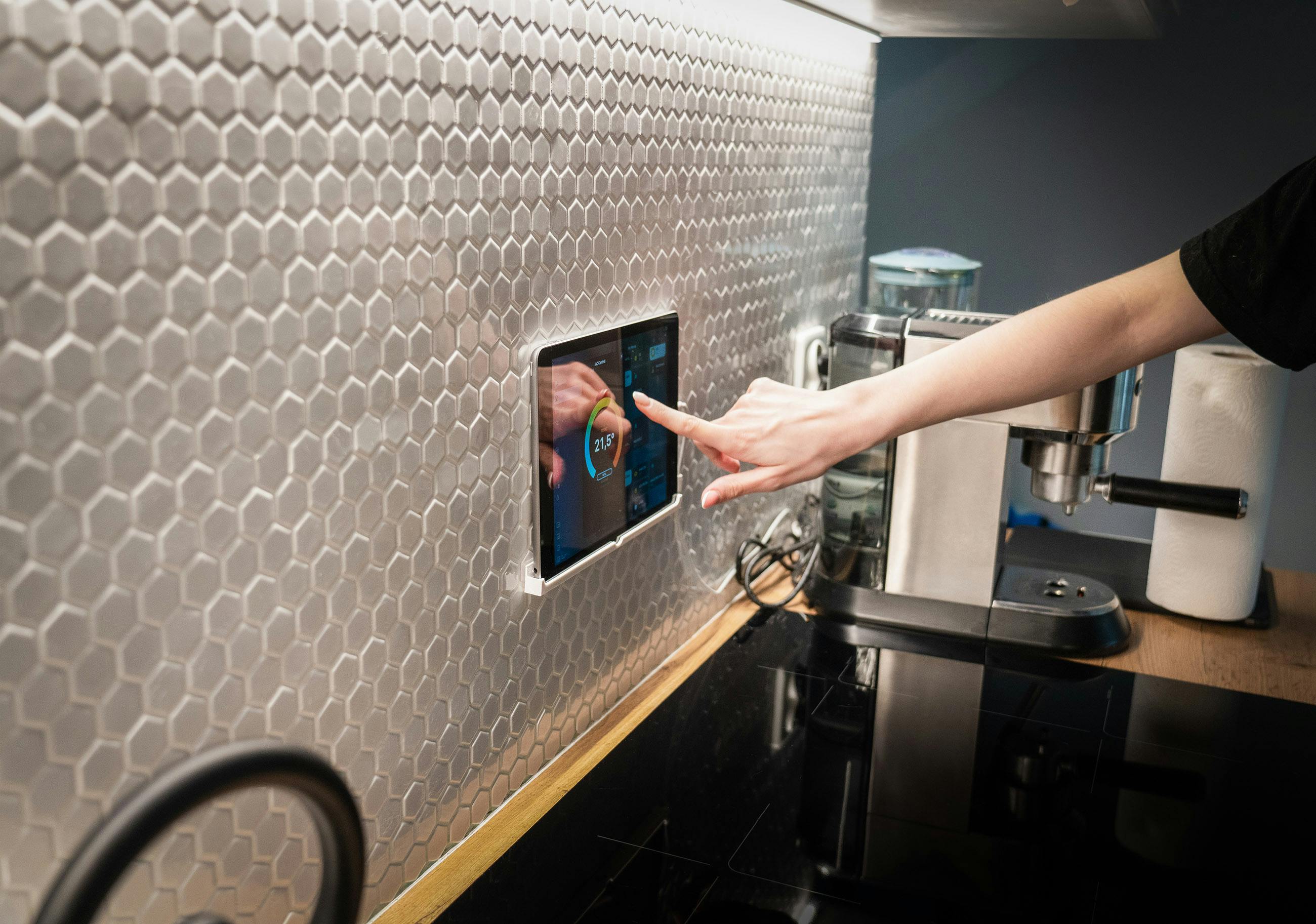
Check the switch: Ensure the system is explicitly set to "Cool" and not "Heat" or "Off."
Check the fan setting: This is the most common culprit. If your fan is set to "On," the blower will run 24/7, even when the outdoor AC unit isn't actively cooling the air. Switch the fan to "Auto." This ensures the fan only runs when chilled air is actively being produced.
Check the batteries: If your thermostat display is blank or flashing, swap in some fresh batteries. A dying thermostat can send erratic signals to your HVAC system.
2. Inspect Your Air Filter
When your filter is clogged with dust, pet hair, and dander, it chokes the system. This severe lack of airflow can actually cause your indoor evaporator coil to drop below freezing. Condensation turns to solid ice, blocking the cooling process entirely. The blower motor keeps running, but it's just pushing unconditioned, warm air through your vents.
If your filter looks like a dusty gray blanket, swap it out immediately. Give the system a few hours to thaw out, and try turning it on again.
Every homeowner should be proactive about replacing their air filters. Set a reminder to check and change them monthly.
3. Check Your Electrical Panel
Central air conditioning systems usually have two separate electrical components: the indoor unit (the blower) and the outdoor unit (the condenser). They operate on entirely different circuit breakers.
It is common for the outdoor condenser's breaker to trip during a power surge or a blisteringly hot Indiana afternoon, while the indoor blower keeps right on running. The result? Your vents blow room-temperature air because the outside cooling machinery has zero power.
Head to your electrical panel and look for the breaker labeled "AC," "Condenser," or "Outside Unit." If it is tripped (sitting in the middle, not fully ON or OFF), flip it fully OFF, then firmly push it back to ON.
Important Safety Note: If the breaker immediately trips again, do not reset it a second time. This is your electrical panel doing its job to prevent a fire. At this point, you have an electrical short or a grounded compressor, and you need a professional.
4. Evaluate the Outdoor Unit
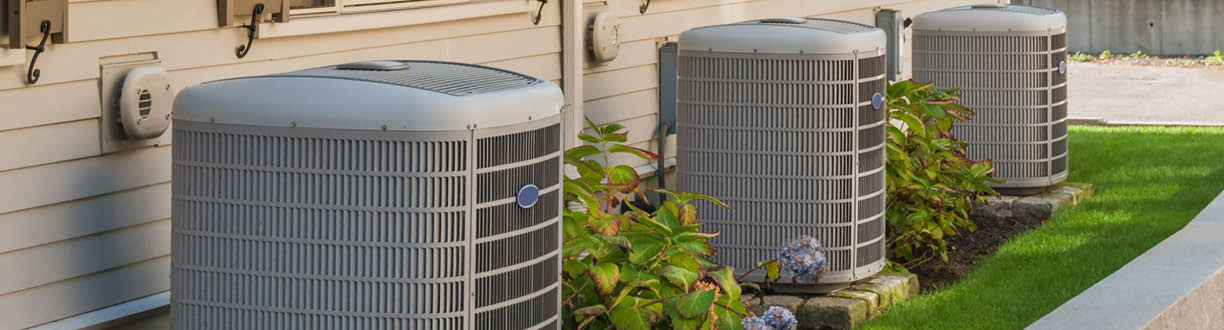
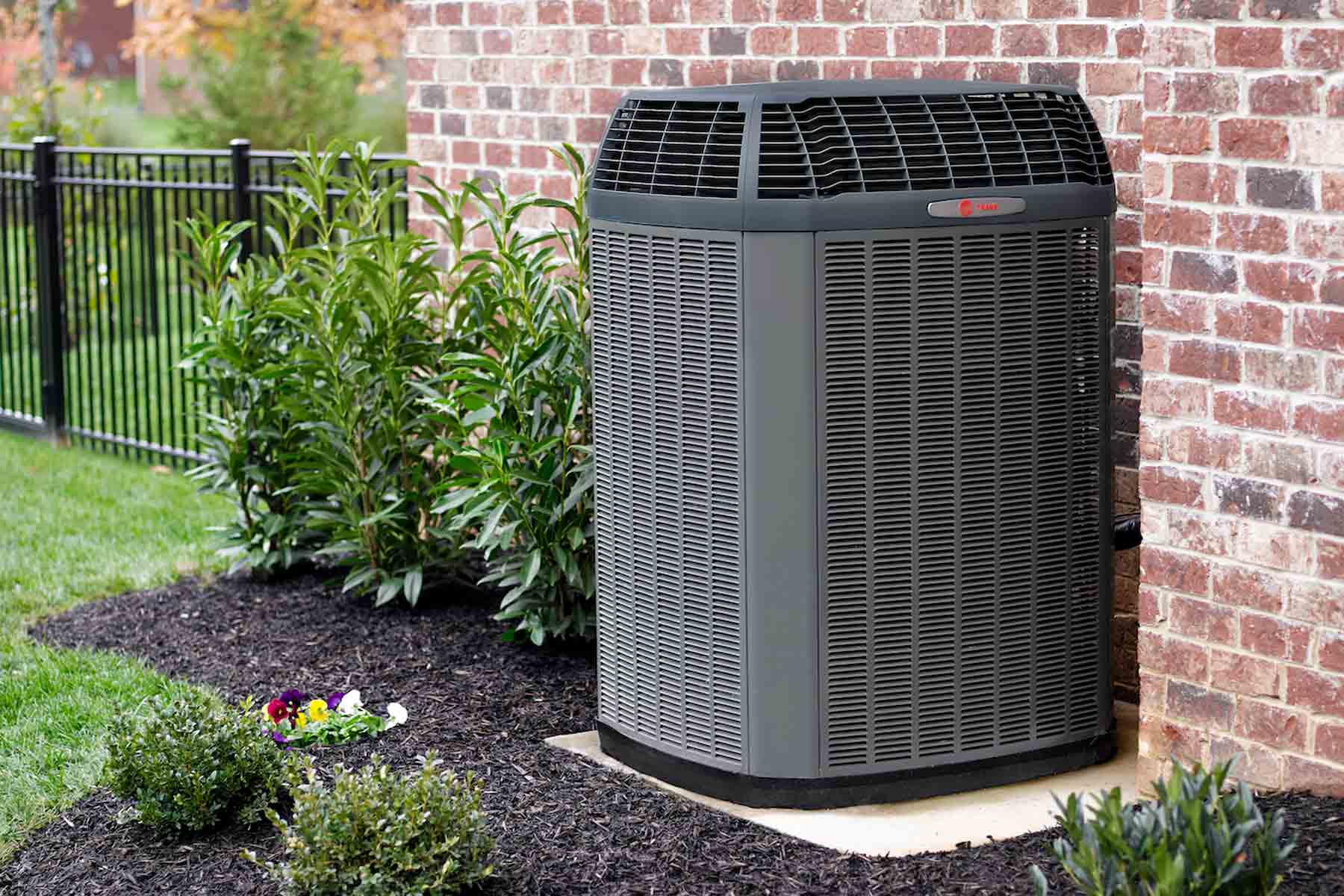
Take a quick walk outside to look at your condenser. This big metal box works by pulling air out through its metal fins to exhaust the heat removed from your house.
If the unit is suffocating, it cannot cool your home.
- Clear the perimeter: Remove any weeds, tall grass, or leaves within two feet of the unit.
- Check the fins: Are the sides completely coated in cottonwood seeds, grass clippings, pine needles, or a thick layer of dirt? If the coils are insulated by grime, the system will overheat and blow warm air. You can gently wash the outside of the unit with a standard garden hose (never a pressure washer, which can bend the fins).
When to Stop DIYing and Call the Pros
If you have walked through the four steps above and your vents are still blowing warm air, it is time to call the professionals. HVAC systems contain high-voltage electricity and pressurized chemical refrigerants that require specialized training to handle safely.
| The Symptom | The Likely Problem | Who Should Fix It |
|---|---|---|
| Hissing or bubbling sounds near the unit | A severe refrigerant leak in the copper lines. | Professional Technician |
| Breaker immediately trips after resetting | Electrical short or a failing, overdrawing compressor. | Professional Technician |
| Outdoor fan isn't spinning, but hums | A blown dual-run capacitor or a dead fan motor. | Professional Technician |
| Ice visibly forming on the outdoor copper pipes | Low refrigerant levels or severe airflow restriction. | Professional Technician |
We'll Send a Technician, Not a Salesperson
If your AC needs a professional touch, you deserve an honest assessment without a high-pressure sales pitch.
At Commercial Service, we don't answer to private equity investors—our priority is serving our Bloomington neighbors. Since 1946, our goal has been to find the smartest, most affordable way to get your home comfortable again.
If your air conditioner is blowing hot air, give us a call. We will send an experienced technician to diagnose the issue quickly, honestly, and correctly the very first time.