When people talk about staying comfortable indoors, they often use the term HVAC system. But what is an HVAC system, and why is it so important for homes and commercial buildings in Indiana?
HVAC stands for Heating, Ventilation, and Air Conditioning. In simple terms, an HVAC system controls indoor temperature, airflow, air quality, and humidity. It helps keep your home warm in winter, cool in summer, and comfortable year-round.
For homeowners, business owners, property managers, and facility planners in Bloomington, Bedford, Columbus, Ellettsville, Nashville, and nearby Indiana communities, understanding your HVAC system can help you make better decisions about installation, maintenance, repairs, and replacement.
What Is an HVAC System?
An HVAC system is the equipment and ductwork used to heat, cool, ventilate, and filter the air inside a building. Depending on the property, an HVAC system may include a furnace, air conditioner, heat pump, boiler, ductwork, thermostat, air handler, rooftop unit, or other indoor comfort equipment.
The main purpose of an HVAC system is to:
- Heat indoor spaces during cold weather
- Cool indoor spaces during warm weather
- Move air through the building.
- Improve indoor air quality.
- Control humidity
- Maintain consistent comfort
In Indiana, where winters can be cold and summers can be humid, a properly working HVAC system is not just about comfort. It also protects your home or building, supports energy efficiency, and helps maintain healthy indoor air.
What Does HVAC Stand For?
HVAC stands for:
Heating
Heating is a part of the system that keeps your home or building warm. Common heating equipment includes furnaces, boilers, and heat pumps.
In many Indiana homes, furnaces are common because they can provide reliable heat during colder months. Commercial buildings may use larger systems such as boilers, rooftop units, or more complex heating equipment, depending on building size and usage.
Ventilation
Ventilation refers to the movement of air in and out of a building. It helps remove stale air, odors, excess moisture, and indoor pollutants while allowing fresh air to circulate.
Good ventilation matters in both residential and commercial buildings. Poor ventilation can lead to stuffy rooms, humidity issues, uneven temperatures, and poor indoor air quality.
Air Conditioning
Air conditioning removes heat and humidity from indoor air. This helps keep your home or business cool during Indiana summers.
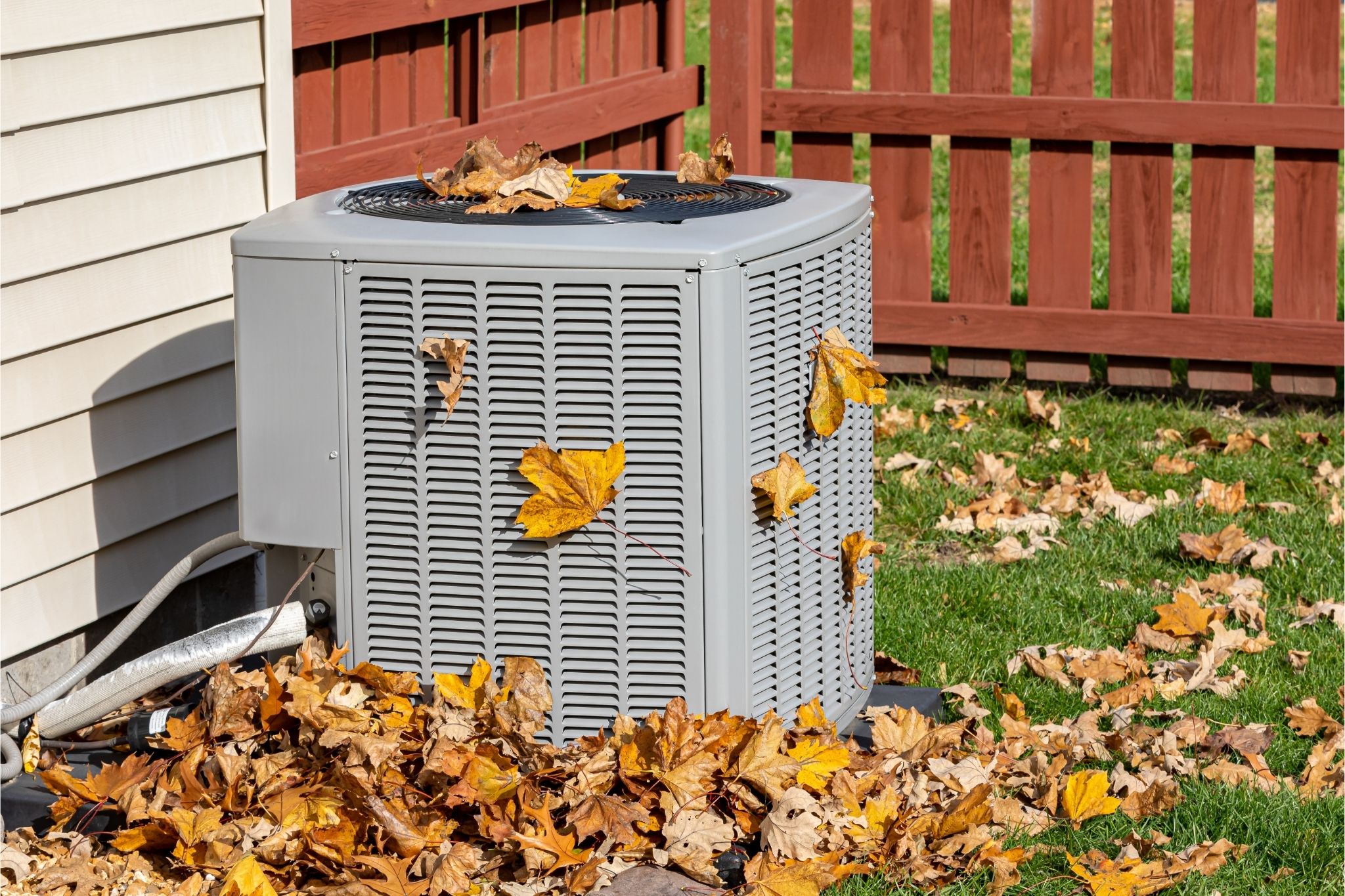
A cooling system may include a central air conditioner, a heat pump, an air handler, an evaporator coil, a condenser, refrigerant lines, and ductwork.
Main Parts of an HVAC System
Every HVAC system is different, but most systems include several key components.
Thermostat
The thermostat is the control center of your HVAC system. It tells the system when to turn on and off based on your temperature settings.
Modern thermostats can also improve efficiency by enabling programmable schedules, remote control, and more precise temperature management.
Furnace
A furnace heats air and distributes it through ductwork. Furnaces are common in residential heating systems and are often powered by gas or electricity.
Air Conditioner
An air conditioner cools indoor air by removing heat and moisture. It typically includes an outdoor condenser unit and an indoor evaporator coil.
Heat Pump
A heat pump can both heat and cool a home or building. In cooling mode, it works similarly to an air conditioner. In heating mode, it moves heat into the building.
Heat pumps can be a good option for certain Indiana homes and businesses, depending on property needs, insulation, and system design.
Ductwork
Ductwork carries heated or cooled air throughout the building. If ducts are damaged, leaking, dirty, or poorly designed, the system may struggle to heat or cool rooms evenly.
Air Handler
An air handler moves air through the HVAC system. It often works with heat pumps or air conditioning systems to circulate conditioned air.
Boiler
A boiler heats water and distributes heat through radiators, baseboard heaters, or other hydronic systems. Boilers are often used in commercial buildings and some residential properties.
Rooftop Units
Rooftop HVAC units are commonly used in commercial buildings. These systems combine heating, cooling, and ventilation equipment into one unit installed on the roof.
For businesses, schools, offices, retail spaces, and industrial facilities, rooftop units can be a practical solution for large-scale comfort needs.
How Does an HVAC System Work?
An HVAC system works by heating or cooling air, moving it through the building, and controlling airflow based on the thermostat setting.
Here is a simple example:
- You set the thermostat to your desired temperature.
- The thermostat detects that the indoor temperature needs adjustment.
- The heating or cooling equipment turns on.
- Air is heated or cooled.
- The blower or air handler moves air through the ductwork.
- Conditioned air enters rooms through vents.
- Return vents pull air back into the system.
- The cycle continues until the indoor temperature reaches the thermostat setting.
In commercial buildings, the process may be more complex. Larger buildings may use multiple zones, rooftop units, chillers, boilers, ventilation systems, and advanced controls to manage comfort across different areas.
Residential HVAC Systems vs. Commercial HVAC Systems
Although residential and commercial HVAC systems serve the same basic purpose, they are not the same.
Residential HVAC Systems
Residential HVAC systems are designed for homes, apartments, and smaller living spaces. They usually focus on comfort, energy efficiency, quiet operation, and indoor air quality.
Common residential HVAC services include:
- Furnace installation
- Air conditioner installation
- Heat pump installation
- HVAC maintenance
- HVAC repair
- Thermostat upgrades
- Indoor air quality improvements
Homeowners in Bloomington, Bedford, Columbus, Ellettsville, and Nashville often need HVAC systems that can handle both cold winter temperatures and humid summer weather.
For homeowners considering a new system, Commercial Service offers residential product selection and installation support through its products and installation services.
Commercial HVAC Systems
Commercial HVAC systems are designed for larger buildings and heavier usage. They may serve offices, retail spaces, schools, medical facilities, restaurants, warehouses, and industrial buildings.
Commercial HVAC systems may include:
- Rooftop units
- Boilers
- Chillers
- Large duct systems
- Ventilation systems
- Building automation controls
- Backflow preventers
- Preventive maintenance programs
Commercial buildings often require careful planning because comfort, energy usage, equipment access, ventilation, and code requirements all matter. For larger projects, advanced design tools such as BIM/VDC and CAD can help plan efficient system layouts before installation begins.
Why HVAC Systems Matter in Indiana
Indiana weather can place heavy demands on HVAC equipment. Cold winters require dependable heating, while hot and humid summers require effective cooling and moisture control.
A properly designed and maintained HVAC system can help:
- Keep indoor temperatures comfortable.
- Reduce humidity problems
- Improve energy efficiency
- Lower the risk of unexpected breakdowns.
- Protect indoor air quality.
- Extend equipment lifespan
- Support safer building operation.
For businesses, HVAC performance can also affect employees, customers, tenants, equipment, inventory, and daily operations. A failing system in a commercial space can create comfort issues, downtime, and costly emergency repairs.
Signs Your HVAC System May Need Service
Even a high-quality HVAC system needs regular attention. If you notice any of the following signs, it may be time to schedule professional service.
Uneven Heating or Cooling
If one room is comfortable while another is too hot or too cold, the issue may involve ductwork, airflow, insulation, thermostat placement, or equipment performance.
Strange Noises
Grinding, banging, rattling, squealing, or buzzing sounds can point to loose parts, motor issues, blower problems, or other mechanical concerns.
Weak Airflow
Weak airflow from vents may be caused by clogged filters, duct problems, blower issues, or blocked vents.
Higher Energy Bills
If your utility bills are rising without a clear reason, your HVAC system may be working harder than it should.
Frequent Cycling
If the system turns on and off too often, it may be oversized, undersized, dirty, or experiencing a control issue.
Poor Indoor Air Quality
Dust, odors, humidity problems, or allergy symptoms may be connected to filtration, ventilation, or ductwork issues.
Old Equipment
Many HVAC systems become less efficient as they age. If your system needs frequent repairs or struggles to keep up, replacement may be more cost-effective than continuing repairs.
HVAC Maintenance: Why It Matters
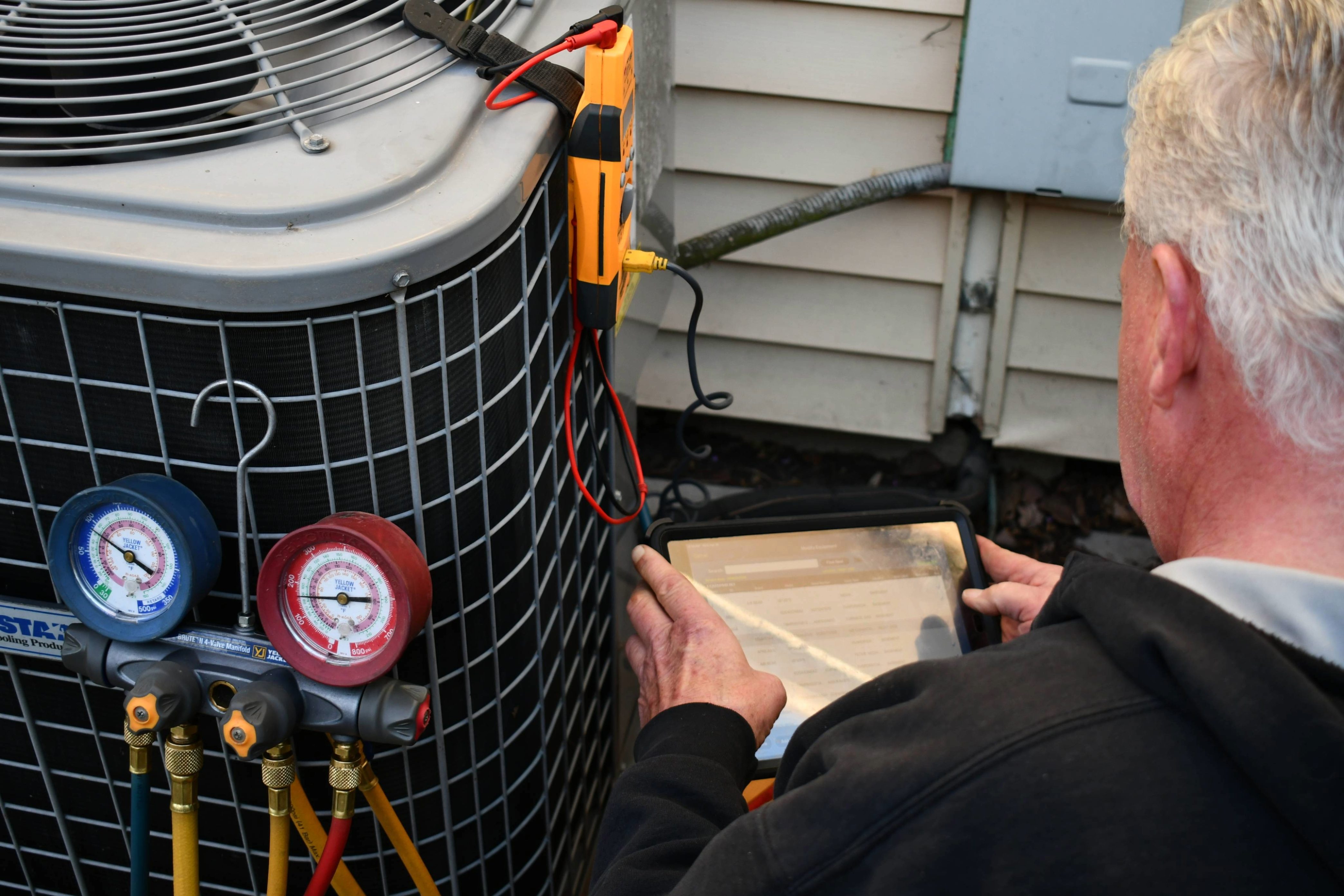
Routine HVAC maintenance helps keep your system working safely and efficiently. It also allows technicians to find small problems before they become larger and more expensive.
Typical HVAC maintenance may include:
- Inspecting system components
- Replacing or cleaning filters
- Checking thermostat operation
- Inspecting electrical connections
- Cleaning coils
- Checking refrigerant levels
- Inspecting burners or heat exchangers
- Testing airflow
- Checking drain lines
- Looking for worn or damaged parts
For homeowners and businesses, regular maintenance can reduce the chance of sudden breakdowns during peak heating or cooling seasons.
Commercial Service provides ongoing support through its maintenance and repair services, helping Indiana homeowners and businesses keep their HVAC systems running reliably.
When Should You Replace an HVAC System?
Repair is not always the best option. In some cases, replacing the system may save money over time.
You may want to consider HVAC replacement if:
- Your system is older and inefficient.
- Repairs are becoming frequent.
- Energy bills keep increasing.
- The system cannot heat or cool evenly.
- Replacement parts are hard to find
- The system is too large or too small for the space.
- You are remodeling or expanding the property.
- Your comfort needs have changed.
A professional HVAC contractor can inspect the system, review your building needs, and help you compare repair versus replacement options.
Choosing the Right HVAC System
The best HVAC system depends on the property, budget, comfort needs, and long-term goals.
Important factors include:
- Building size
- Insulation quality
- Number of rooms or zones
- Existing ductwork
- Energy efficiency goals
- Indoor air quality needs
- Fuel source availability
- Commercial equipment requirements
- Maintenance expectations
For commercial properties, system design is especially important. A facility planner or property manager may need to consider occupancy, ventilation codes, equipment access, operating hours, and future expansion.
For homeowners, the right system should provide reliable comfort without wasting energy or requiring constant repairs.
Why Work With a Local HVAC Company?
Working with a local HVAC company matters because local technicians understand Indiana weather, common building types, seasonal service needs, and area-specific comfort concerns.
A local team can help with:
- Faster service response
- Better knowledge of regional climate demands
- Residential and commercial system recommendations
- Ongoing maintenance planning
- Emergency HVAC service
- Long-term equipment support
Commercial Service has served Indiana communities for more than 75 years, supporting homeowners, businesses, property managers, and commercial facilities with heating, cooling, plumbing, installation, maintenance, and repair services.
FAQ: What Is an HVAC System?
1. What is an HVAC system in simple terms?
An HVAC system is the equipment that heats, cools, ventilates, and moves air throughout a home or building. It helps control indoor comfort, airflow, humidity, and air quality.
2. Is HVAC the same as air conditioning?
No. Air conditioning is only one part of HVAC. HVAC includes heating, ventilation, and air conditioning. A complete HVAC system may include a furnace, an air conditioner, a heat pump, ductwork, a thermostat, and ventilation equipment.
3. How long does an HVAC system last?
The lifespan of an HVAC system depends on the type of equipment, usage, maintenance, and installation quality. Many systems can last for years with proper maintenance, but older systems may lose efficiency and require more frequent repairs.
4. How often should an HVAC system be serviced?
Most systems should be checked at least once or twice per year. Heating equipment is usually inspected before winter, and cooling equipment is usually inspected before summer. Commercial systems may need more frequent maintenance depending on usage.
5. What size HVAC system do I need?
The right size depends on your home or building size, insulation, layout, windows, ductwork, and comfort needs. A professional load calculation is the best way to choose the correct system size.
6. Can one HVAC company handle both residential and commercial systems?
Yes, but not every company specializes in both. Commercial Service works with residential heating and cooling systems as well as larger commercial HVAC and plumbing equipment, including rooftop units, boilers, chillers, and maintenance programs.
Need Help With Your HVAC System in Indiana?
Whether you are trying to understand your current HVAC system, planning a replacement, dealing with uneven temperatures, or managing a commercial property, the right local team can help you make a confident decision.
Commercial Service provides HVAC support for residential and commercial customers across Bloomington, Bedford, Columbus, Ellettsville, Nashville, and nearby Indiana communities.
For installation, maintenance, repair, or system recommendations, contact Commercial Service today and schedule service with a trusted local HVAC and plumbing team.